
Introduction
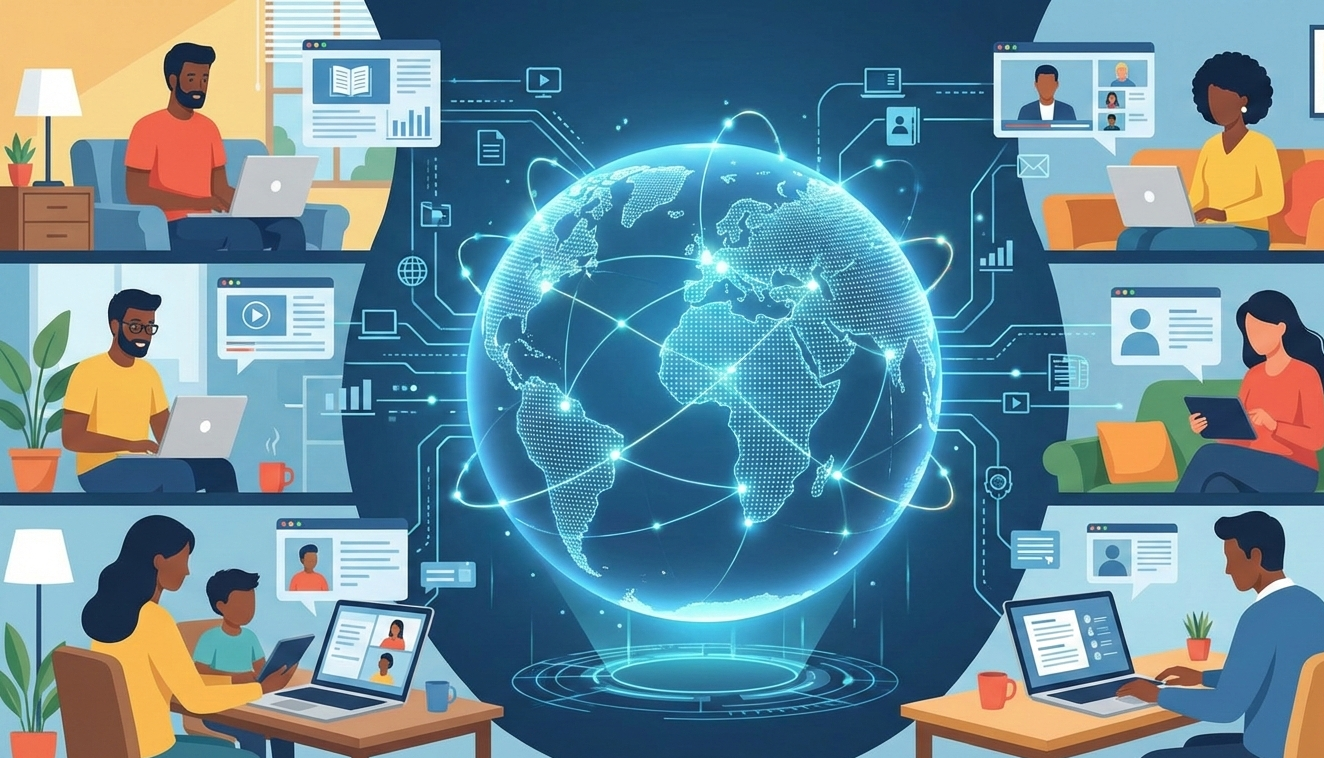
Education has quietly rewritten its own rules over the last decade. Learning no longer belongs only to classrooms, campuses, or fixed timetables. Today, anyone with an internet connection can learn from almost anywhere in the world.
This shift has brought online education into the mainstream. What began as an alternative is now a primary learning path for school students, college learners, working professionals, and people simply curious to learn something new. From short skill courses to full degree programs, online education has reshaped how knowledge is delivered and consumed.
This article breaks down what online education really is, how it works in practice, the different formats it takes, and why it has become such an important part of education systems worldwide.
What Is Online Education?
Online education is a method of learning where teaching and learning happen through digital platforms using the internet. Instead of attending physical classes, learners access educational content on websites or applications using devices such as laptops, tablets, or smartphones.
The content can include video lessons, reading materials, quizzes, assignments, and interactive activities. In many cases, learners can study at their own pace, revisit lessons, and choose when and where they learn.
What separates online Learning from traditional learning is flexibility. There is no requirement to be present in a specific place at a specific time unless the course includes live sessions. This flexibility is what has made online education accessible to people across different countries, time zones, and life situations.
How Online Education Works
While platforms and institutions may differ, most online Learning systems follow a similar structure.
Learning Platforms
Online education is delivered through learning platforms. These platforms act as digital classrooms where courses are organized into lessons or modules. Learners create an account, enroll in a course, and gain access to structured content.
Platforms also track progress, allowing learners to see which lessons are completed and which are pending. This structure helps maintain consistency and direction throughout the learning journey.
Content Delivery
Educational content is delivered in multiple formats to suit different learning styles. Common formats include:
- Video lectures explaining concepts step by step
- Reading materials such as articles, notes, or digital textbooks
- Quizzes and assessments to test understanding
- Practical assignments or projects
Some courses rely entirely on pre-recorded content, while others include live online classes where learners can interact with instructors in real time.
Interaction and Support
One of the common misconceptions about online education is that it is isolating. In reality, many platforms encourage interaction.
Learners can ask questions in discussion forums, participate in live sessions, or communicate with instructors through messaging tools. Peer discussions also play an important role, especially in professional or skill-based courses.
This interaction helps clarify doubts, share perspectives, and improve understanding.
Evaluation and Certification
Most online courses include some form of evaluation. This may be in the form of quizzes, assignments, exams, or project submissions.
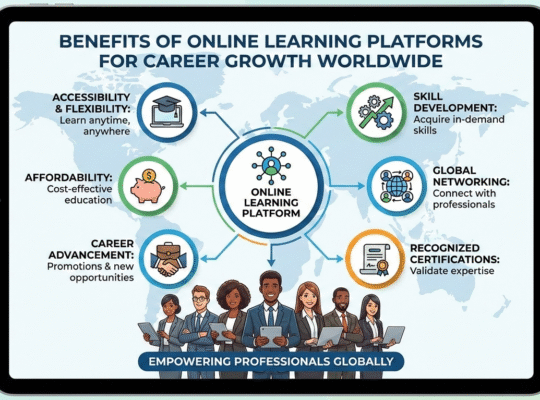
After successfully completing the course, learners often receive a certificate. These certificates may represent skill completion, professional training, or academic credit, depending on the course and institution.
Types of Online Learning
Online education is not a single format. It exists in several forms, each serving different learning needs.
Self-Paced Learning
Self-paced courses allow learners to move through content at their own speed. There are no fixed schedules, making this format ideal for working professionals or learners with other commitments.
Instructor-Led Online Courses
These courses follow a set schedule and are led by instructors through live sessions. Learners attend virtual classes, participate in discussions, and complete assignments within given timelines.
Hybrid Learning
Hybrid learning combines online education with offline or in-person components. Some lessons may be conducted online, while others require physical attendance. This approach is commonly used by universities and training institutions.
Certification and Skill-Based Programs
Many online education platforms focus on skill development rather than formal degrees. These programs target specific skills such as technology, design, management, or communication.
Each type of online education serves a different purpose, allowing learners to choose what suits their goals and lifestyle.
Growth of Online Education Worldwide
Online Learning has grown rapidly across the world, driven by a combination of technology and changing learning needs.
Improved internet access and widespread smartphone usage have made digital learning more accessible than ever. Learners no longer need expensive equipment to participate in online education.
Another major factor is the demand for continuous learning. Skills become outdated faster, and professionals are expected to adapt. Online education offers a practical way to upgrade skills without leaving jobs or relocating.
Global events have also accelerated acceptance of remote learning. Educational institutions, organizations, and governments have invested heavily in digital education infrastructure, making online education a permanent part of the learning ecosystem.
Today, universities offer online degrees, companies run digital training programs, and individuals learn new skills entirely online.
Benefits of Online Education
Online education offers several advantages that explain its global adoption.
Flexibility
Learners can study at times that suit their schedules. This is especially helpful for professionals, parents, or individuals managing multiple responsibilities.
Accessibility
Online Learning removes geographical barriers. Learners can access courses from institutions and educators located anywhere in the world.
Cost Efficiency
In many cases, online courses are more affordable than traditional education. Learners save on travel, accommodation, and physical materials.
Learning at One’s Own Pace
Online Learning allows learners to revisit lessons and learn at a comfortable speed, improving understanding and retention.
Diverse Learning Options
From academic subjects to creative and technical skills, online education covers a wide range of topics, catering to varied interests and goals.
Challenges of Online Education
Despite its advantages, online Learning also has limitations.
Self-Discipline and Motivation
Without physical classrooms or fixed schedules, learners must manage their time effectively. Lack of discipline can lead to incomplete courses.
Internet Dependence
Reliable internet access is essential. In regions with limited connectivity, online education can be difficult to access consistently.
Limited Practical Exposure
Some subjects require hands-on experience that is difficult to replicate online. Practical fields may still need offline components.
Reduced Social Interaction
While platforms offer interaction tools, online learning may not fully replace the social environment of physical classrooms.
Understanding these challenges helps learners set realistic expectations and choose appropriate learning formats.
Online Education and the Future of Learning
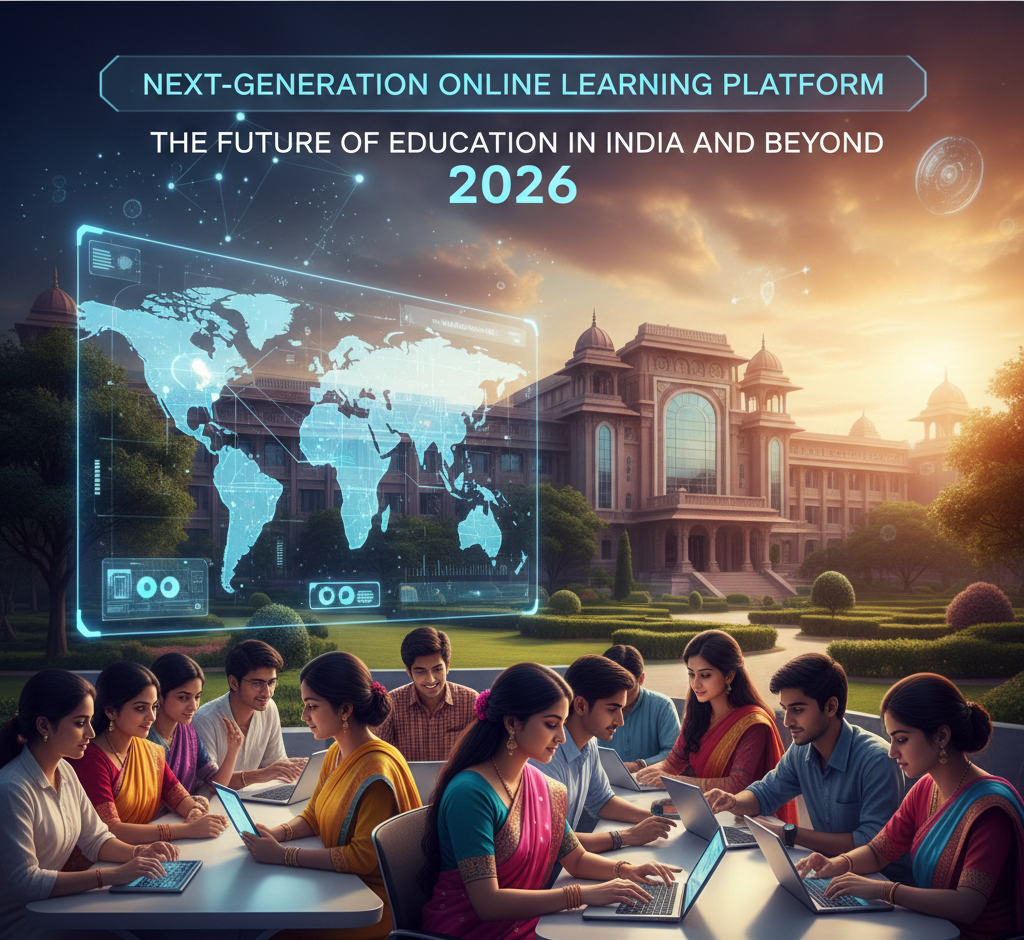
Online education is no longer seen as a temporary solution or a secondary option. It has become an essential part of modern education systems.
As technology evolves, online education is expected to become more interactive, personalized, and immersive. Artificial intelligence, adaptive learning systems, and virtual environments are already shaping the next phase of digital learning.
Educational institutions and employers increasingly recognize online learning credentials, especially when they reflect practical skills and real-world knowledge.
The future of education will likely blend online and offline methods, creating flexible learning experiences that adapt to individual needs.
Conclusion
Online education has changed how people learn across the world. It has made education more flexible, accessible, and inclusive for learners of all ages and backgrounds.
While it comes with challenges, its benefits have made it an integral part of global learning systems. As digital tools continue to improve, online education will play an even bigger role in shaping how knowledge is shared and skills are developed.
For learners seeking growth, adaptability, and lifelong learning, online education offers a practical and powerful path forward.