
Introduction
Careers today don’t move in straight lines. Roles evolve, industries change, and skills that mattered five years ago may already be outdated. In this environment, the idea of learning once and relying on that knowledge for decades no longer works.
This is where online learning platforms have quietly become powerful career tools. They are not just places to study. They are spaces where people reskill, upskill, and adapt to changing professional demands without stepping away from their responsibilities.
From fresh graduates trying to become job-ready to experienced professionals looking to stay relevant, online learning platforms now play a central role in career growth worldwide.
What Are Online Learning Platforms?
Online learning platforms are digital systems that offer structured courses, skill programs, and learning resources through the internet. These platforms host content created by educators, institutions, and industry experts, allowing learners to access lessons from anywhere.
Unlike traditional education systems, online platforms are often focused on practical skills, real-world application, and continuous learning rather than one-time qualifications.
What makes them especially relevant for careers is their flexibility and focus on current industry needs.
Why Career Growth Depends on Continuous Learning
Career growth today is less about seniority and more about relevance. Employers increasingly value people who can adapt, learn quickly, and apply new skills.
Some key reasons continuous learning has become essential include:
- Rapid technological change
- Automation of routine tasks
- Global competition for roles
- Emergence of new job profiles
Online learning platforms fit naturally into this reality by making learning accessible throughout one’s career.
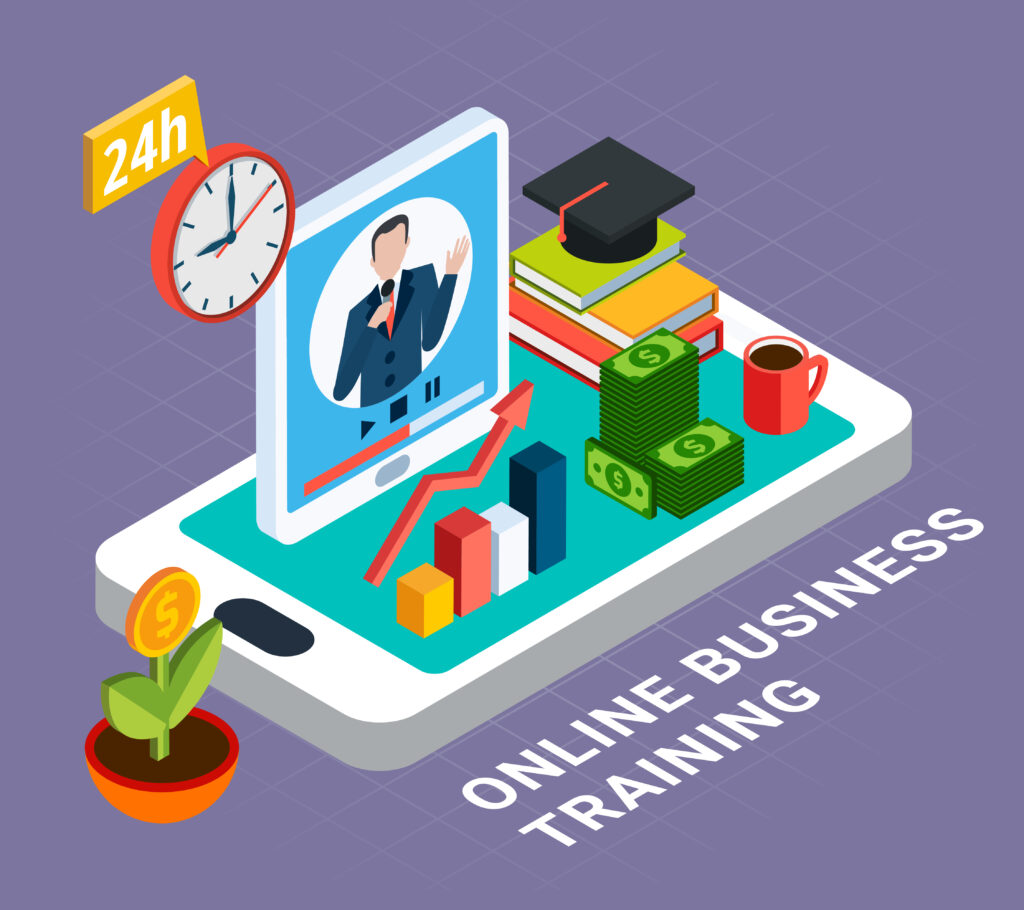
Flexibility That Fits Real Life
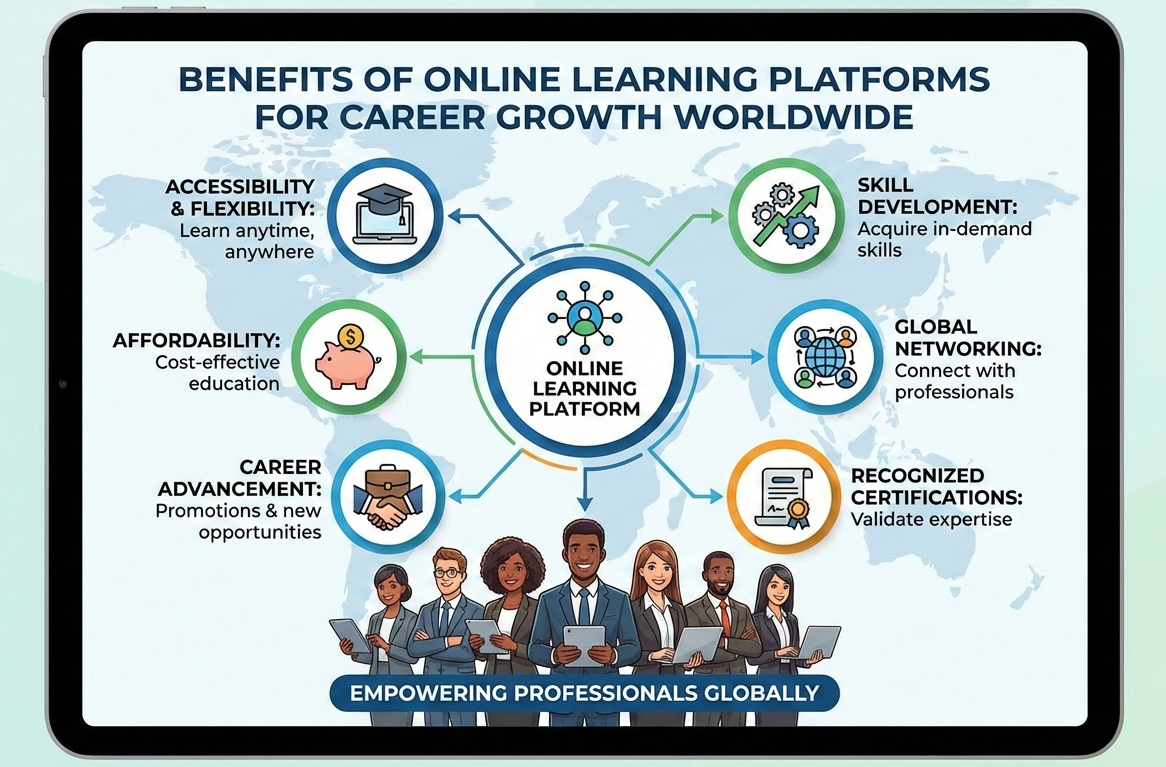
One of the biggest advantages of online learning platforms is flexibility.
Traditional education often requires fixed schedules, physical attendance, and long-term commitments. For working professionals, this can be difficult to manage.
Online learning platforms allow learners to:
- Study after work hours
- Learn on weekends
- Pause and resume courses as needed
- Balance learning with personal responsibilities
This flexibility makes it possible to grow professionally without putting careers on hold.
Access to Industry-Relevant Skills
Many online learning platforms are designed around skills that are actively used in the workplace. Instead of focusing only on theory, they emphasise practical knowledge.
Common career-focused skill areas include:
- Technology and software tools
- Data and analytics
- Digital marketing and communication
- Business and management skills
- Design and creative tools
Because content is updated frequently, learners gain exposure to current practices rather than outdated material.
Learning from Global Experts
Online learning platforms remove geographical barriers. A learner in one country can access courses taught by instructors from another part of the world.
This global exposure offers several benefits:
- Learning diverse approaches and perspectives
- Understanding international standards
- Gaining insights into global work culture
For careers that involve remote work or international collaboration, this exposure becomes especially valuable.
Self-Paced Learning Builds Confidence
Career growth is not only about skills. Confidence plays a major role.
Online learning platforms often allow learners to move at their own pace. This reduces pressure and allows deeper understanding of concepts.
When learners:
- Revisit difficult topics
- Practice through assignments
- Learn without fear of judgment
they tend to build stronger confidence in their abilities. This confidence often reflects in interviews, workplace performance, and career decisions.
Certifications That Support Career Profiles
Many online learning platforms offer certificates upon course completion. While not all certificates hold the same value, they still play a role in career growth.
Certificates can:
- Demonstrate commitment to learning
- Highlight skill development
- Support resume and profile updates
For professionals changing roles or industries, certifications help signal readiness to employers.
Career Switching Becomes More Accessible
Changing careers used to require formal degrees or long breaks. Online learning platforms have lowered that barrier.
Through structured learning paths, individuals can:
- Explore new fields
- Learn foundational skills
- Build confidence before switching roles
This makes career transitions more manageable and less risky, especially for those who cannot afford to step away from work.
Affordable Learning Compared to Traditional Education
Career growth often requires investment, but online learning platforms usually cost less than traditional programs.
Learners save on:
- Travel and accommodation
- Physical materials
- Long-term institutional fees
This affordability allows more people to invest in their growth without financial strain.
Learning While Staying Employed
One of the most practical benefits of online learning platforms is the ability to learn without leaving a job.
This allows professionals to:
- Apply new skills immediately
- Test learning in real work scenarios
- Grow internally within organisations
Learning and working simultaneously accelerates growth and makes learning more meaningful.
Building a Habit of Lifelong Learning
Online learning platforms encourage ongoing learning rather than one-time education.
Over time, learners develop habits such as:
- Regular skill updates
- Curiosity-driven learning
- Self-improvement mindset
This habit itself becomes a career advantage, especially in industries where adaptability is valued.
Support for Job Seekers
For job seekers, online learning platforms serve as preparation tools.
They help with:
- Skill gap identification
- Interview readiness
- Understanding industry expectations
Learning platforms often complement job search efforts by making candidates more confident and capable.
Limitations to Be Aware Of
While online learning platforms offer many benefits, they are not a guaranteed path to career success.
Some limitations include:
- Need for self-discipline
- Quality variation across platforms
- Overloading with too many courses
Career growth depends on how learning is applied, not just completed.
Making Online Learning Work for Career Growth
To benefit fully, learners should:
- Choose relevant skills aligned with goals
- Apply learning in real situations
- Avoid chasing certificates alone
- Focus on consistency over quantity
Intentional learning leads to meaningful growth.
Conclusion
Online learning platforms have become valuable tools for career growth in a changing professional landscape. They offer flexibility, access, affordability, and relevance that traditional learning models often cannot match.
While they do not replace experience, they complement it by helping individuals stay skilled, adaptable, and confident.
For anyone serious about long-term career growth, online learning platforms provide an accessible and practical way to keep moving forward.